In this article
Invitations to property seminars, glossy brochures and polished project presentations are now a common way for buyers to first hear about property in another country. Some are informative and well run. All of them exist to sell units. That does not make them dishonest, but it does mean the material in front of you was written by people whose job is to make a purchase feel easy, attractive and urgent.
This article sets out the warning signs worth noticing when you read or listen to overseas property marketing, and the questions that help you separate what is documented from what is merely said. It does not assess any project, developer or market.
Marketing is a starting point, not evidence
A brochure tells you what the seller wants you to know, in the order and tone that suits the sale. Treat it as a list of topics to investigate rather than a set of answers. Every statement in it falls into one of three groups: things you can check in a document, things you can check with an independent person, and things that cannot be checked at all. The third group deserves the most attention, because it often carries the strongest emotional pull.
A useful habit is to take a pen to any printed material and mark each claim with a simple label — "document", "independent check" or "cannot verify". By the end, you have a working list for your lawyer and other advisers, and a clearer sense of how much of the pitch rests on assurance alone.
Before any of this, it helps to know what you actually want the property to do for you. If that is still vague, clarifying the purpose of a property abroad is a good place to begin, because a clear purpose makes persuasive material much easier to read calmly.
Promises about future income or value
The most common warning sign is a figure about the future presented as if it were a fact. Statements about how much rent a unit "will" earn, or what it "will" be worth in a few years, are forecasts at best. Nobody can know them in advance, and the presenter rarely carries any responsibility if they turn out to be wrong.
Watch for these patterns:
- Figures without a source. Ask who produced the number, on what assumptions, and whether those assumptions are written down anywhere you can review.
- "Guaranteed rental" offers. Treat any such promise as a claim to examine, not a feature to rely on. Ask who exactly gives it, whether it is written into the purchase contract or a separate agreement, what conditions or exceptions apply, when it ends, and what happens if the party giving it can no longer meet it.
- Buy-back offers. A promise that the developer or a related company will purchase the unit later should also be treated with caution. Ask your lawyer to read the exact wording and explain what it does and does not oblige anyone to do.
- Comparisons with other projects. A neighbouring building's history says little about a unit that has not been built yet.
None of this means an offer is improper. It means the promise must be tested against the contract and with independent advisers before it carries weight.
Promises about residence or immigration: verify separately
Some marketing links property purchase with the right to live in another country. Buying property does not by itself give anyone a residence right, a visa or citizenship. Where any link exists, it exists only under the official terms of a specific programme, and those terms are separate from the property sale.
If residence is mentioned, take it as a cue to verify, not a selling point:
- Ask which programme, exactly, is being referred to, and note the name precisely.
- Confirm the programme's current terms through official sources and a qualified immigration adviser who is not connected to the seller.
- Ask whether the specific property and purchase arrangement would actually meet those terms, and who would confirm that in writing.
- Remember that programmes have their own rules, which can change, close or be interpreted differently from the way a sales presenter describes them.
A presenter's confident summary is not a confirmation. Keep the property decision and any immigration question as two separate files, each checked on its own merits.
Pressure and artificial deadlines
Urgency is a sales technique. It works by shortening the time between interest and commitment, which is exactly the time you need for checking. Common forms include:
- "Only a few units left" or "this floor is almost sold";
- prices or terms available "only at this event" or "only this weekend";
- a request to sign a reservation form or make a payment on the day;
- a hint that someone else is about to take the unit you like.
A genuine opportunity usually survives a few days of review by your own lawyer. If the terms cannot wait for that, ask yourself why. It is reasonable to say that you do not sign or pay anything at an event as a matter of personal policy, and a seller who respects that is easier to work with later.
Projects not yet built
Buying a unit before construction is finished — often called "off-plan" — means relying on things that do not yet exist. The legal protections, if any, depend entirely on the country and on the contract, so the right approach is to ask questions and have the answers checked by your own lawyer:
- What exactly is the developer obliged to deliver, and is the specification written into the contract?
- Who holds payments made before completion, and on what terms? Are those funds kept separate from the developer's other money?
- What happens if construction is delayed, the design changes or the project is not completed?
- Which permits or authorisations has the project obtained so far, and can you see the documents rather than a summary of them?
- Who has the right to change the project, and what say does a buyer have?
- What would you actually own at completion, and how would that ownership be recorded?
Write the answers down, note who gave each one, and ask for documents wherever an answer is important to you.
Images, renderings and reality
Computer renderings show a project in perfect light, with ideal landscaping, empty roads and views that may assume no neighbouring construction. Show flats and sample rooms are often furnished to look larger and finished to a higher standard than the standard units.
Ask which elements of the images are included in the purchase and which are illustrative. Compare the floor plan in the contract with the plan in the brochure. Find out what surrounds the site today and what is planned nearby, using sources other than the seller. Where possible, have someone you trust visit the location rather than relying on aerial photographs alone.
Who is presenting, and how they are paid
The friendly person at the seminar is usually a representative of the seller, a marketing partner or an agent working for the project. They may be knowledgeable and helpful, but they are not your adviser and their interests are not the same as yours.
It is reasonable to ask directly:
- Who do you work for, and who pays you?
- How is the presenter paid — is any part of it linked to sales made at this event?
- Are you licensed or registered in any capacity, and where?
- Do you or your company have any connection with the developer beyond this event?
The answers simply tell you how to weigh what you hear. The different roles in a purchase, and who acts for whom, are set out in who does what in an overseas property purchase.
Verifying the developer independently
Marketing material describes the developer in its own words. An independent picture comes from elsewhere. Areas to look into, ideally with your lawyer's help, include:
- Track record. Which projects has this company actually completed, under which name, and were they delivered as described? Can you speak to owners in those buildings?
- Ownership and control. Who owns and controls the developer, and is the company named in the contract the same one shown in the brochure?
- Documented status. Is the company registered where it says it is, and do public records or official documents support what the marketing states?
- Independent sources. What do sources not paid by the developer say — local professionals, owners' groups, public records?
Gaps here are a reason to slow down and ask more.
Verifying the property and the seller's right to sell
Separately from the developer's reputation, someone must confirm that the specific unit can be sold to you and that you would receive what you expect. This is work for a lawyer acting for you alone, not for the seller's lawyer or the presenter. Your lawyer can explain what checks are normal in that country — for example on title, permitted use, existing charges and planning status — and can tell you which documents to request.
Whether a buyer from abroad can own the property, and in what form, is also a question to confirm with that lawyer; ownership structures for property abroad lists the questions worth raising.
An independent check-list to bring to a seminar
Before you attend, prepare a short list you can fill in on the spot. It keeps the conversation on your terms:
- Full legal name of the developer and of the selling company.
- Project name, exact address and current construction status.
- Which permits are claimed, and whether copies will be provided.
- Who holds payments made before completion.
- Any figure presented about future rent or value, with its source.
- Any mention of residence, with the exact programme named, to verify separately.
- Who the presenter works for and how they are paid.
- Deadlines mentioned, and what changes if you miss them.
- Documents you can take away for your lawyer to review.
Leave space on the sheet for "questions they could not answer". That column is often the most informative one.
What to do when you feel pressured
Feeling rushed is itself a signal worth listening to. Some practical steps:
- Pause. Say you will review the material with your advisers and come back.
- Do not sign forms or transfer money at the event, however small the amount.
- Ask for everything in writing, including any special terms you were offered verbally.
- Talk the offer through with someone who has nothing to gain from your decision.
- If the pressure continues, consider whether this is a seller you want a long relationship with.
Walking away from an offer you could not check properly is not a loss; it is part of buying carefully.
In short
Overseas property marketing is built to persuade. Read it as a list of claims to test: income or value figures need sources and contract wording, residence links need official confirmation, deadlines deserve suspicion, and off-plan projects need clear answers about delivery and payments. Know who is presenting and how they are paid, check the developer and the property through people who act for you, and never let a seminar timetable replace your own.
If you would like help turning a project's marketing material into a structured list of questions for your own advisers, you can talk to Wobridge.
General information only. It is not legal or migration advice, and requirements can change — please confirm current details for your own case before acting on them.
International Real Estate
Images
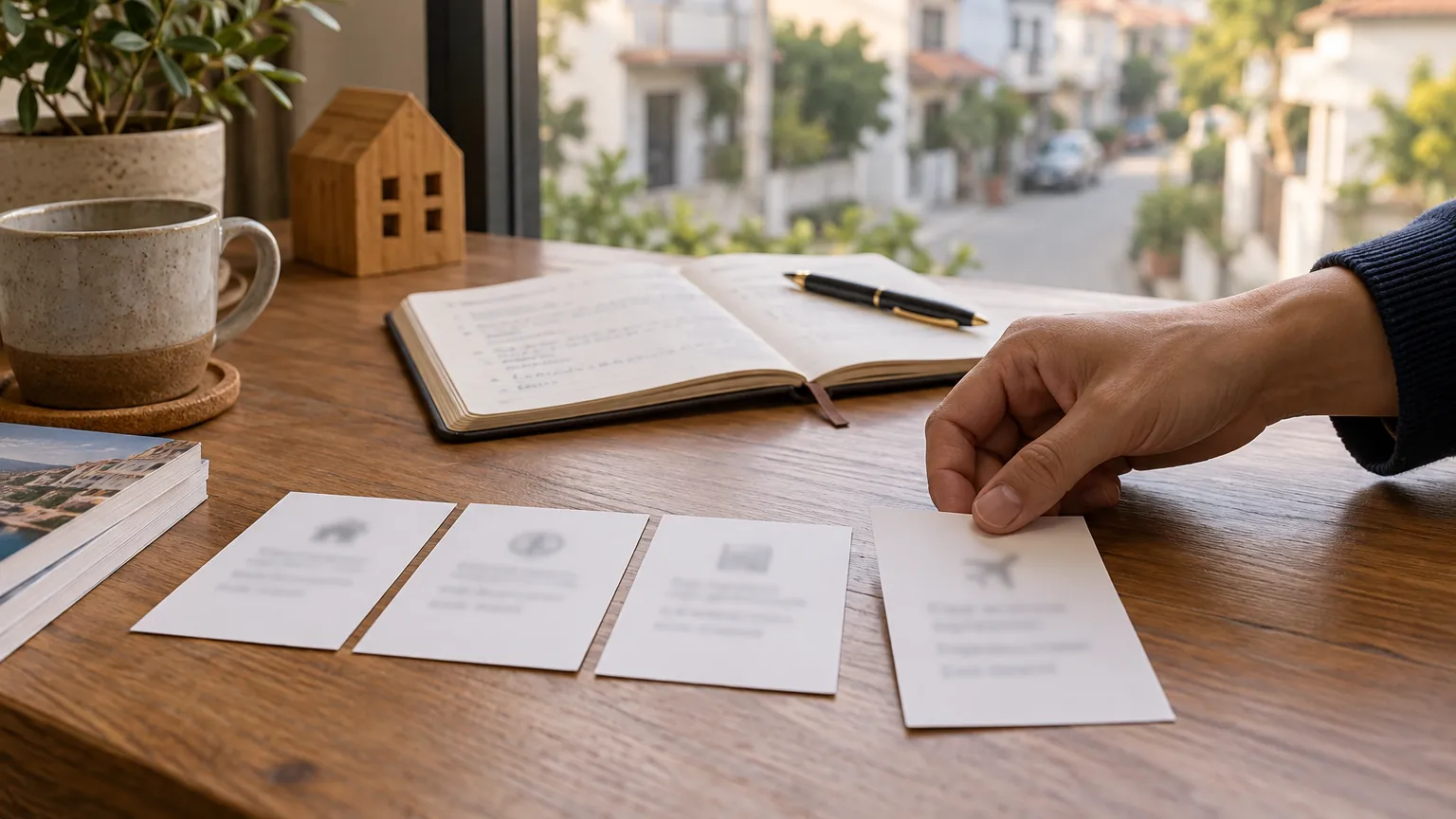
Questions written down before the presentation starts. Take questions away; do not decide on the day.